
Systems Thinking and Education
An exploration with Robin de Carteret during Systems Day, with resources to go further
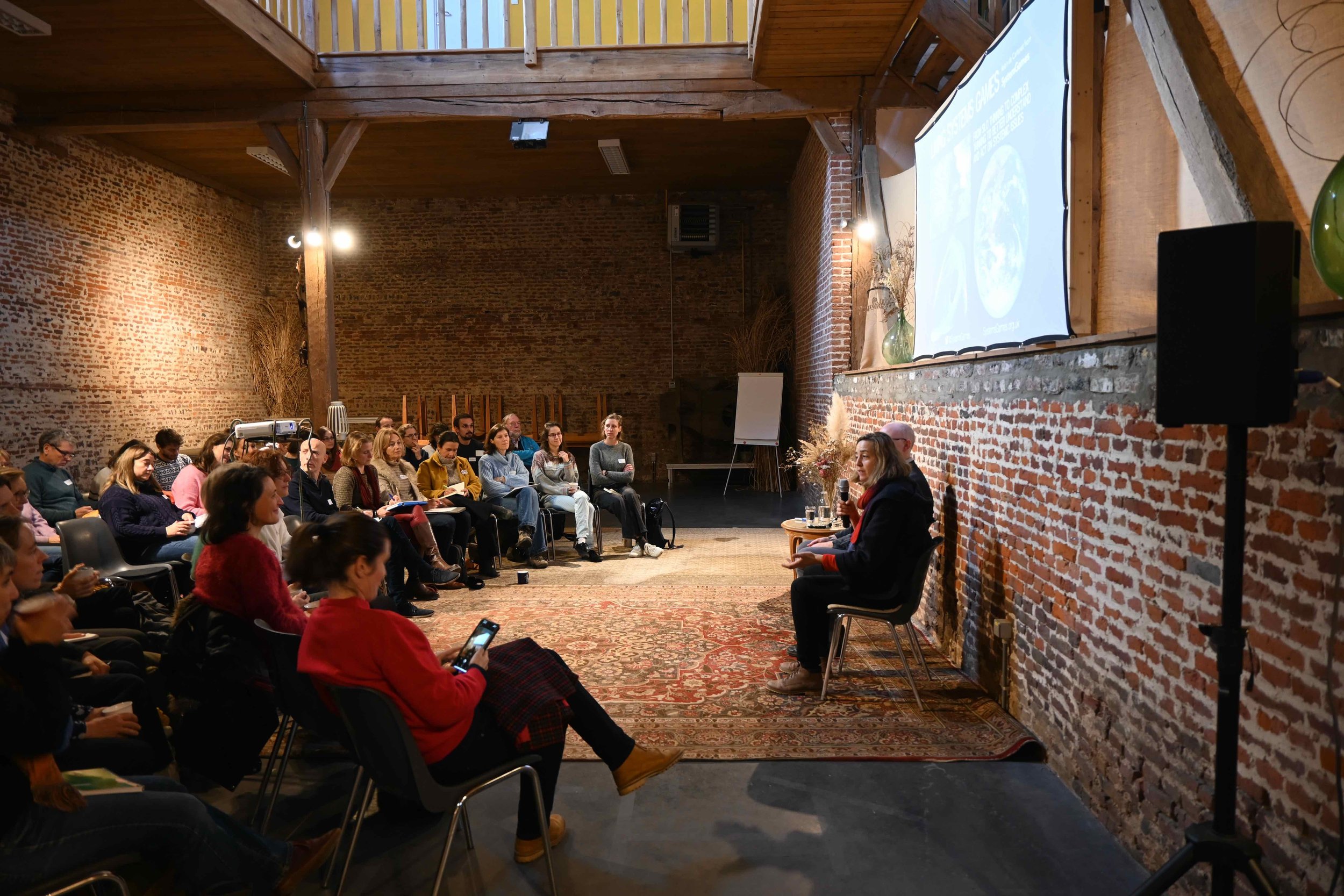
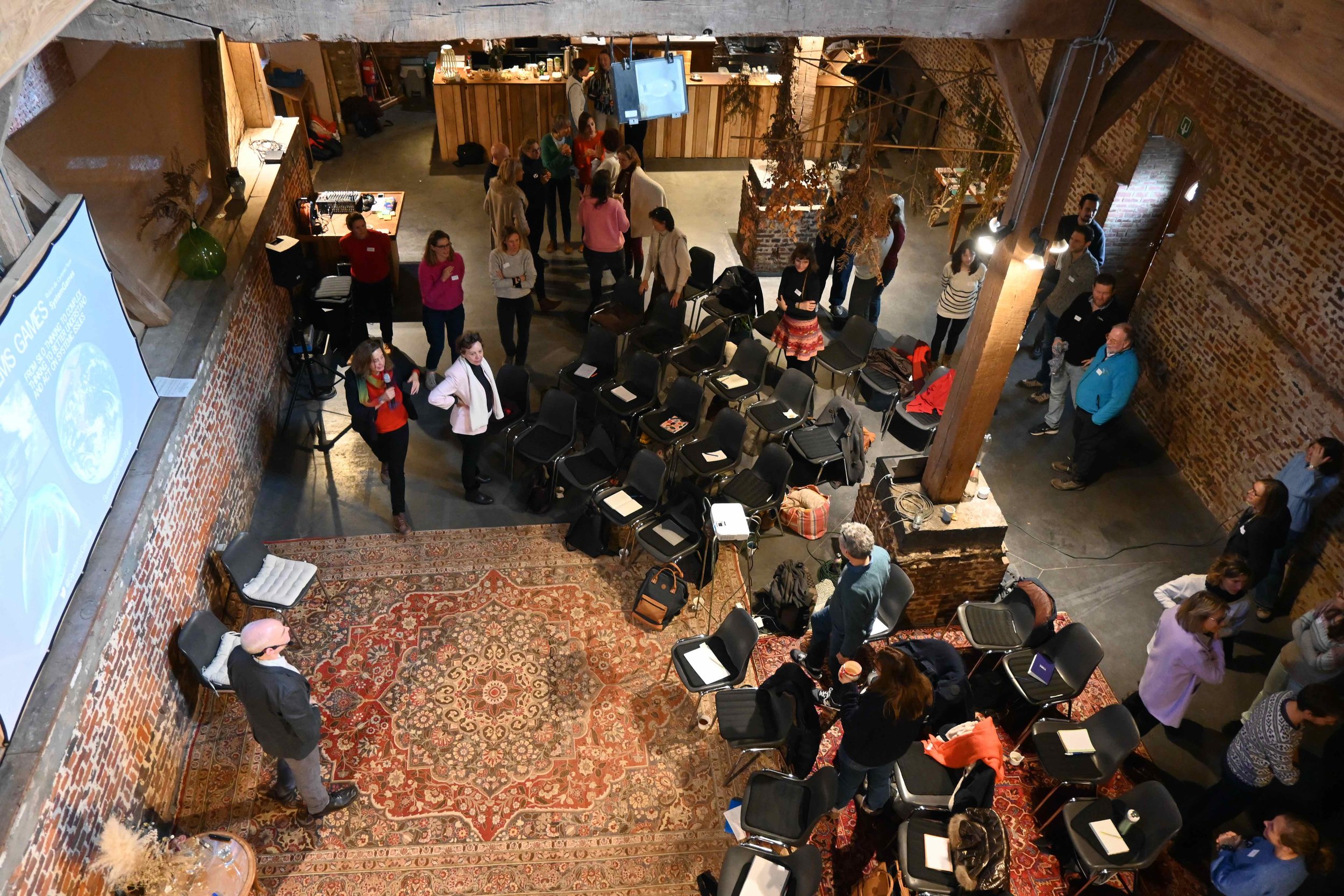
On November 15, 2023, Robin de Carteret, an expert in systems thinking and a lecturer at Schumacher College — the internationally renowned English campus — shared his pedagogical practices during “Systems Day,” an immersive event involving around fifty teachers and educational advisors.
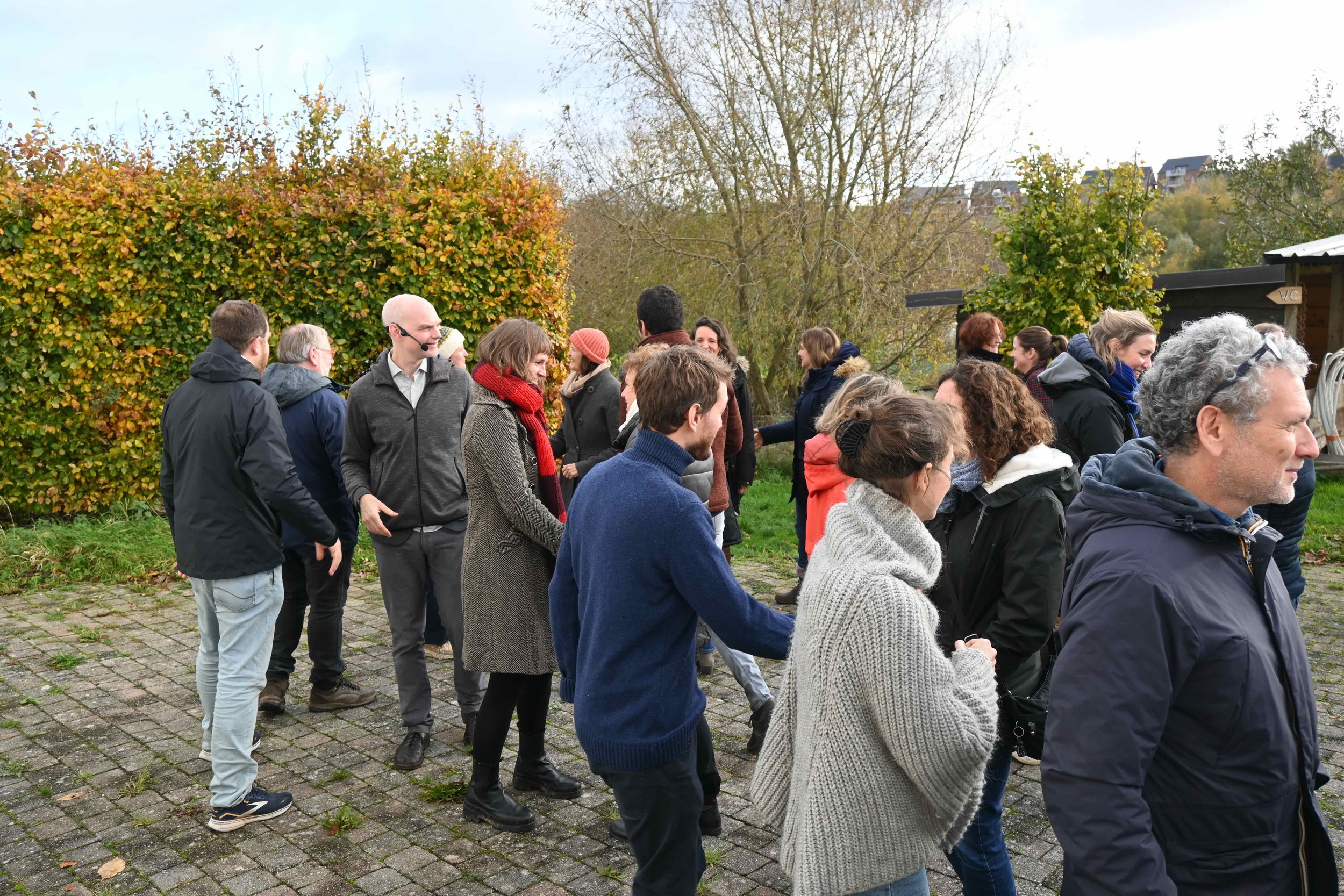
Organised by Schumacher Sprouts Belgium in collaboration with UCLouvain, EPHEC, UNamur, ICHEC, and the Réseau Profs en Transition, this event offered a valuable opportunity to explore complex thinking through a pedagogy engaging not only the intellect but also the heart and the body, blending theory, experimentation, and dialogue — including outdoors. The training took place at L’Arbre qui Pousse, a third place that positions itself as a laboratory for transitions, beautifully exemplifying what can emerge from complex design.
Although systems thinking is not new — the Club of Rome was already exploring it in the 1970s with the famous report The Limits to Growth — it seems that its lessons have not been fully absorbed. More than fifty years later, we face a multitude of intertwined and worsening crises, calling into question our ability to respond adequately. It is our very approach that may need to be reconsidered.
Some sub‑disciplines in the social sciences, psychology, or agronomic sciences (such as agroecology or permaculture) appear to have integrated complex thinking more naturally. However, in economics or education, this approach is rarely taught or used, leaving an essentially analytical and siloed way of addressing topics — and of teaching them.
In a global context marked by the proliferation of systemic challenges, it is relevant to model them in a complex way, integrating notions such as feedback loops, emergence, and tipping points, which are generally absent from linear analysis. It is also valuable to question the approaches and postures best suited to responding to situations of unpredictability — an inherent characteristic of contemporary complex challenges (a few improvisation games punctuated our afternoon for this very reason).
How can we teach systems theory in a clear and engaging way? How can we approach our subjects through systemic modelling? And beyond that, how can we transform our pedagogical formats by flirting with the notion of “chaordism” to make them more dynamic and capable of generating spaces of emergence? The same question applies to our university campuses and study programmes: how can their material and organisational design foster decompartmentalisation, and thus new ideas and collaborations?
Exploring these questions — and the answers they inspire — lies at the heart of the Schumacher Sprouts approach.
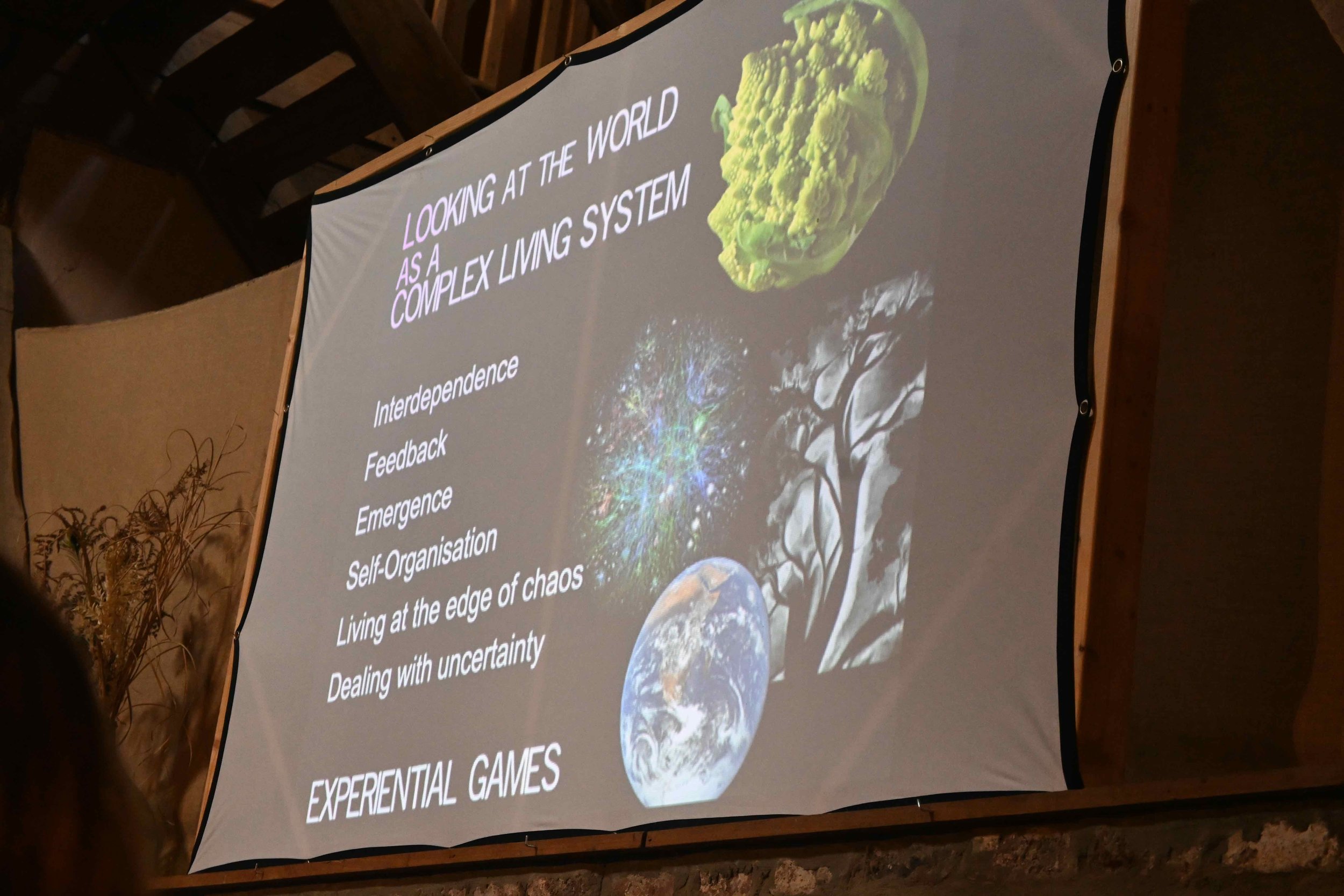

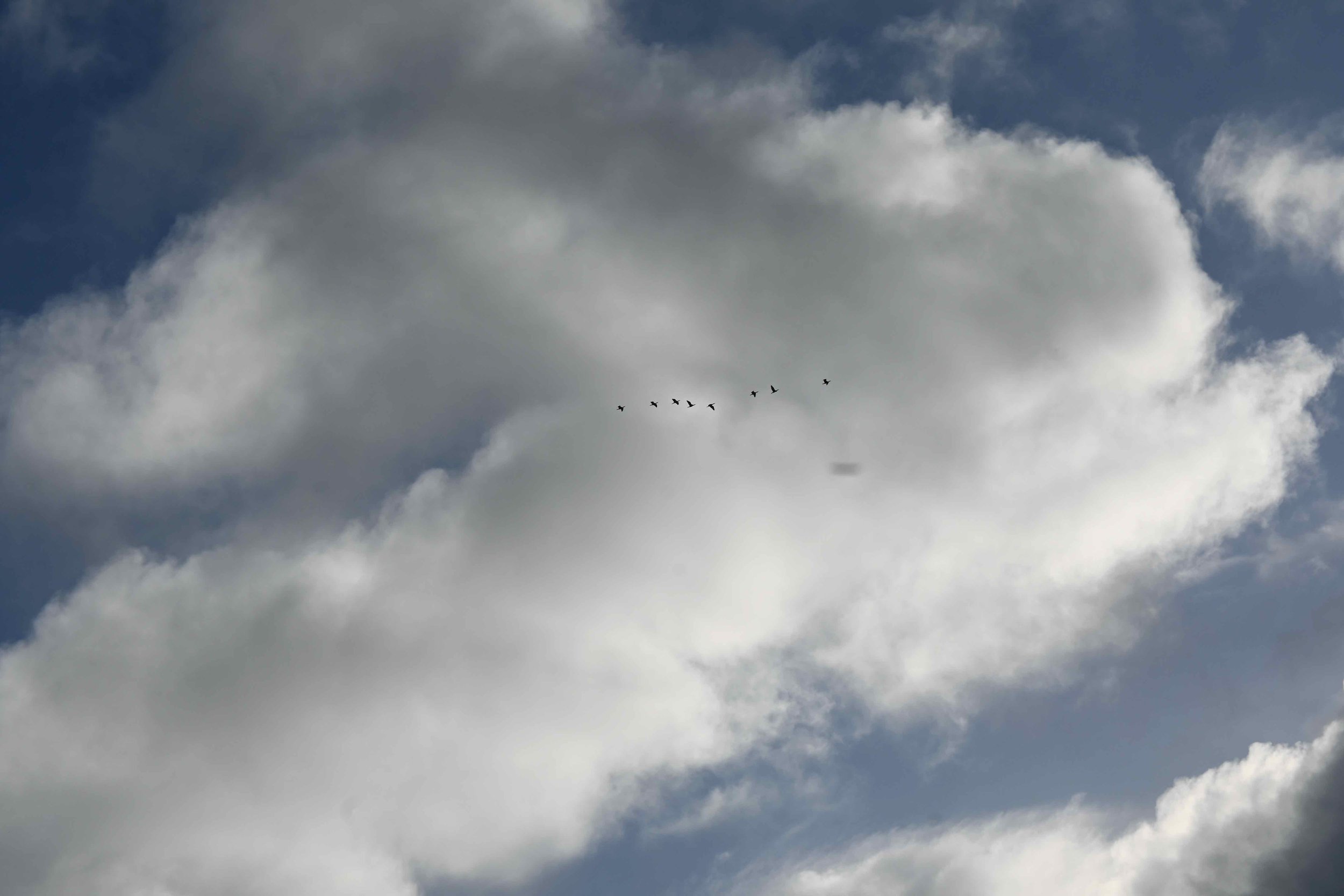
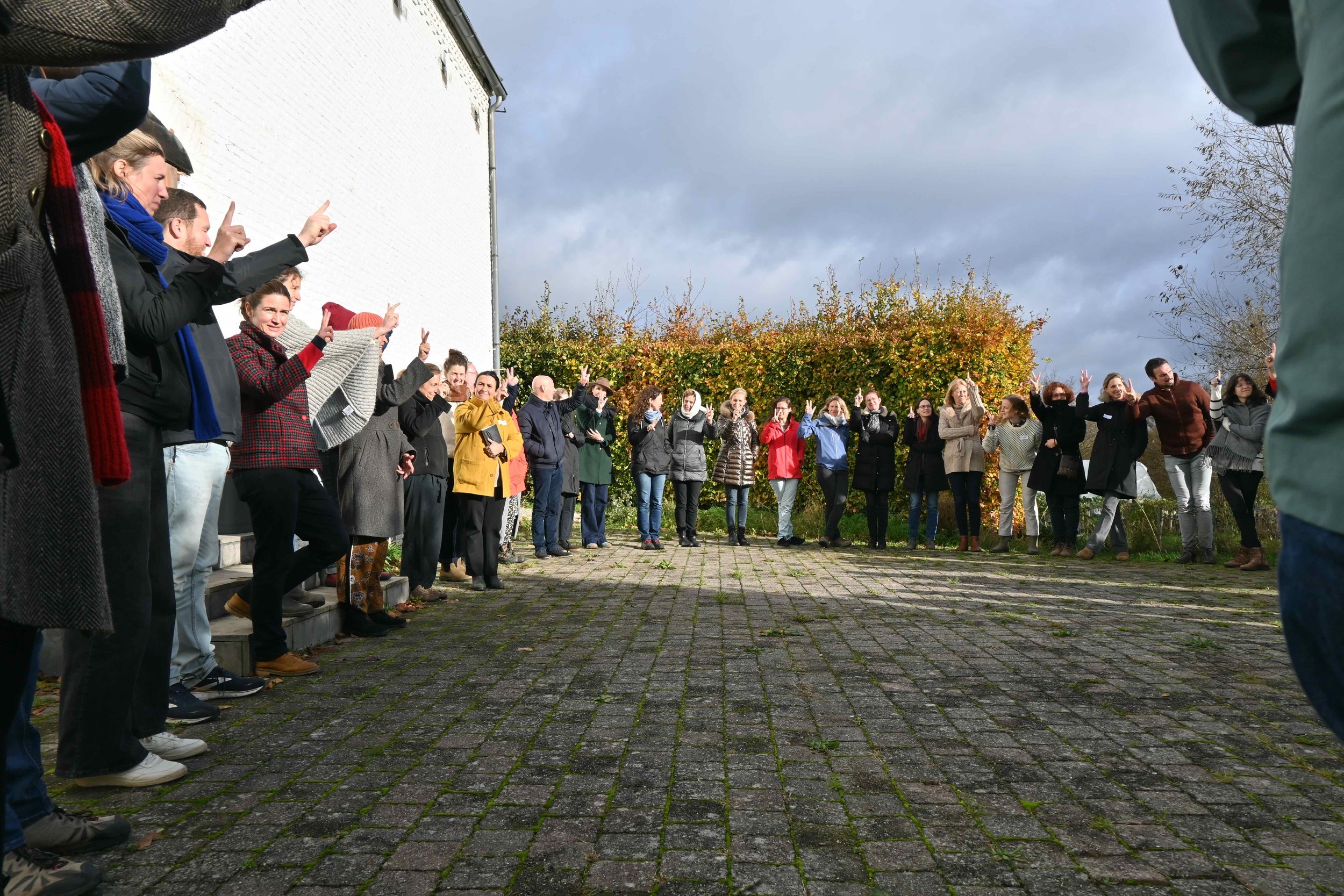
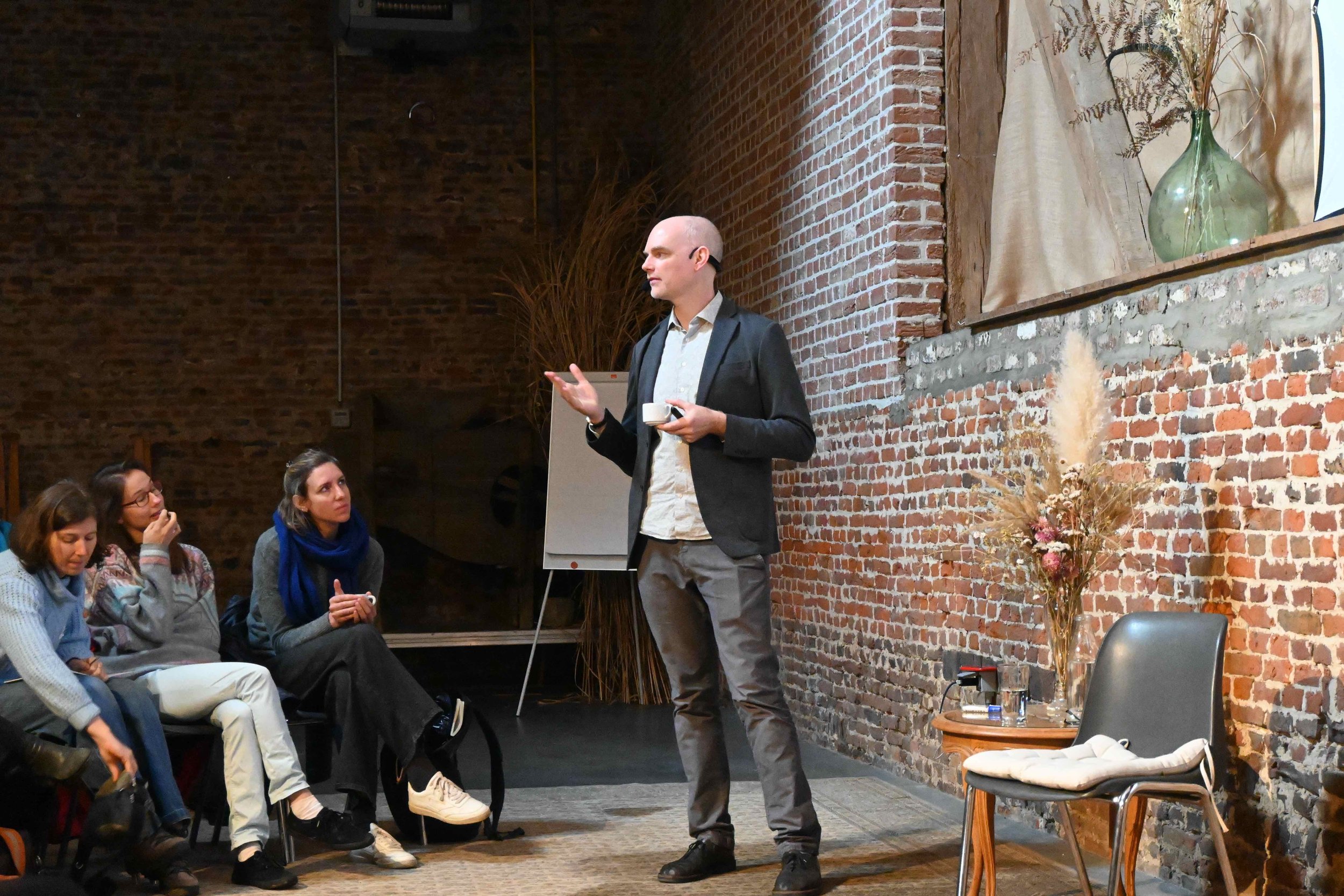
Here are the key characteristics of a complex system, along with a few resources to explore complexity further:
🔄 Interdependence: The components of complex systems are closely interconnected, and changes in one element affect the others. The ripple effect of a single component influences the entire ecosystem.
🔄 Feedback loops: Dynamic loops shape behaviour by reinforcing patterns or maintaining stability.
🔄 Emergence: New properties spontaneously arise in complex systems from interactions between components.
🔄 Self‑organisation: Order and patterns emerge without central control as components interact.
🔄 Living at the edge of chaos: Complex systems thrive in a delicate balance between order and disorder, fostering adaptability.
🔄 Facing uncertainty: Complex systems deal with unpredictability through diversity and adaptability.
Additional resources to deepen your experience and understanding of systems thinking
📗 To read
The Climate Change Playbook (2016), Dennis Meadows, Linda Booth Sweeney Ed.D., Gillian Martin Mehers The simple, interactive exercises in The Climate Change Playbook help citizens better understand climate change, diagnose its causes, anticipate future consequences, and foster constructive change. Adapted from The Systems Thinking Playbook, the twenty‑two games are specifically designed for climate‑change communication and crafted for experts, advocates, and educators. Illustrated guidelines walk facilitators through setup, delivery, and debriefing. The games suit a wide range of audiences — from large seated groups to smaller, mobile workshop settings.
The Systems Thinking Playbook (2010), Linda Booth Sweeney Ed.D., Dennis Meadows A favourite among K–12 teachers, university faculty, and corporate consultants. It offers short, playful exercises that reveal the subtleties of systems thinking.
Thinking in Systems: A Primer (2008), Donella H. Meadows
Pour une pensée systémique (2023), Donella Meadows, Éd. Rue de l’échiquier A classic finally translated into French: after The Limits to Growth, Donella Meadows introduces readers to systems thinking — an essential tool for addressing today’s environmental, political, economic, and social challenges.
Une autre fin du monde est possible. Vivre l’effondrement (et pas seulement y survivre) (2018), Pablo Servigne, Raphaël Stevens, Gauthier Chapelle. Seuil.
Écophilosophie, Racines et enjeux philosophiques de la crise écologique (2020), Charlotte Luyckx, Academia.
Reinventing Organizations: A Guide to Creating Organizations Inspired by the Next Stage in Human Consciousness (2014), Frédéric Laloux Reinventing organizations, Vers des communautés de travail inspirées (2015), Frédéric Laloux, Éd. DIATEINO.
Penser le vivant (2021), Collectif, coédition L’Obs x Les Liens qui Libèrent
A rich collection reflecting the creative explosion of ecological thought. Beyond major figures like Bruno Latour and Philippe Descola, the volume features voices from a new generation of thinkers as well as international contributors. Authors include Glenn Albrecht, Étienne Bimbenet, Pierre Charbonnier, Lionel Daudet, Philippe Descola, Marc Dufumier, Vinciane Despret, Dian Fossey, Jean‑Baptiste Fressoz, Yuval Noah Harari, Donna Haraway, Éric Karsenti, Alexandre Lacroix, Bruno Latour, Erri De Luca, Virginie Maris, Baptiste Morizot, Corine Pelluchon, James Scott, Pablo Servigne, Vandana Shiva, Anna Tsing, Frans De Waal.
L’économie symbiotique. Régénérer la planète, l’économie, la société (2017), Isabelle Delannoy A bold and visionary proposal for a radically new economic theory: the symbiotic economy, capable of harmonising human activity with ecosystems. By balancing human intelligence, natural ecosystem dynamics, and technological tools, it becomes possible not only to avoid depleting resources but to regenerate them.
Tout tourne rond sur cette Terre, nous sommes les seuls à l’ignorer (2021), Marine Simon, éditions Yves Michel Climate, environmental, health, economic, and financial crises — what if they all stem from a cultural problem? Everything in the living world operates through intertwined cycles and endless associations across all kingdoms and elements. Everything, except our linear, compartmentalised, competitive culture. This book invites us to reconnect with the principles of the living world, Indigenous cultures, and permaculture to weave a culture that cares for life in all its forms.
👩🏼💻 Online
Robin de Carteret’s website Robin de Carteret’s chapter in Introduction to Critical Systems Heuristics Re‑thinking Education for a More Sustainable World (Stephen Sterling) Linking Thinking: New Perspectives on Thinking and Learning for Sustainability
🎙 To listen
Tout tourne rond sur cette Terre, podcast by Marine Simon
👀 To watch
Starling murmuration
If these questions resonate with you or spark your curiosity, feel free to reach out and interact with us.